


Understanding Home Energy Storage System

What Is Home Energy Storage System?
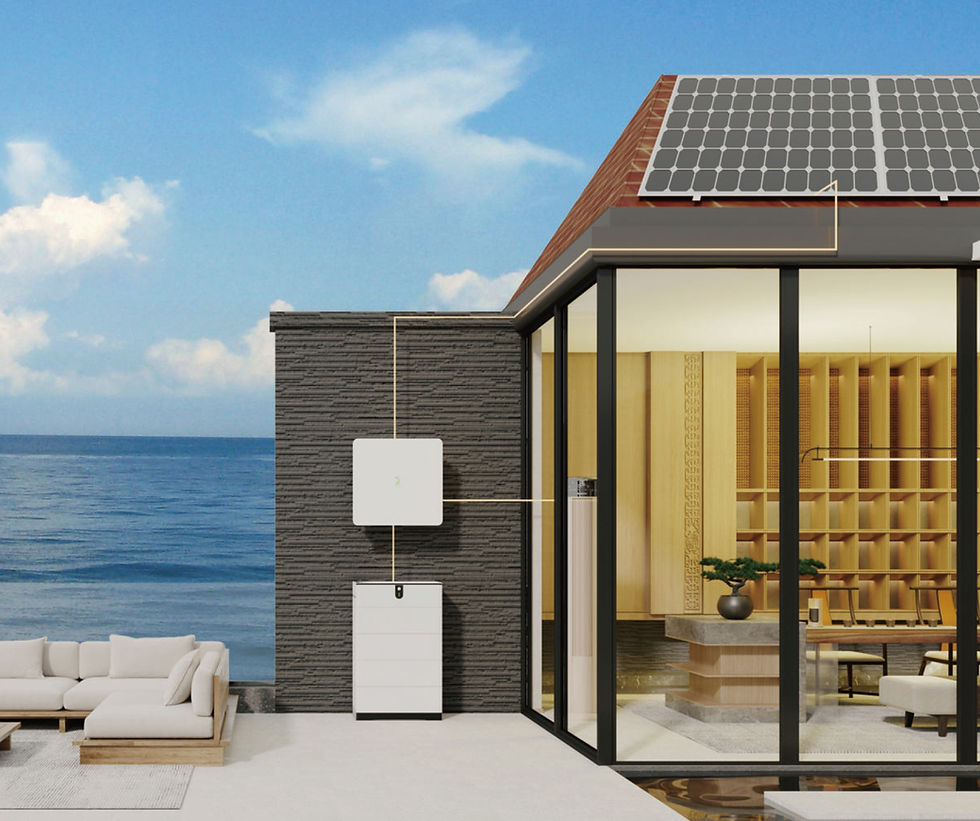
A Home Energy Storage System (HESS) stores electricity locally for later use, typically combining lithium-ion batteries, an inverter, and a smart controller. It works best with rooftop solar panels and helps you save money, stay powered during outages, and use more clean energy.

What Is Main Components?
A typical home energy storage system has 4 core parts:
(1) Battery Pack
The energy “tank” that stores electricity.
Most use LiFePO4 (lithium iron phosphate) batteries — safe, long-lasting, stable.
Capacity measured in kWh (e.g., 5 kWh, 10 kWh, 15 kWh).
(2) Inverter (Bidirectional)
Converts DC power (from battery/solar) to AC power for home appliances.
Also charges the battery by converting grid AC to DC.
Acts as the power converter and controller.
(3) Battery Management System (BMS)
Protects the battery: prevents overcharge, over-discharge, overheating, short circuit.
Balances voltage between battery cells to extend life.
(4) Energy Management System (EMS) / Controller
The “brain” of the system.
Automatically decides:
When to charge the battery
When to discharge power to your home
When to switch to backup mode during a power cut

Working Principle?
The system works in 3 simple steps:
Step 1: Charging
The battery is charged in two main ways:
From solar panels: Stores extra solar power generated during the day.
From the grid: Charges at night or during low-price “off-peak” hours.
Step 2: Storing
Energy is safely held in the battery until needed.
Step 3: Discharging / Using
Use stored power in the evening (peak price hours) to save money.
When grid power fails, it automatically switches to backup power to supply lights, fridge, router, etc.

Battery Functions?
The function of home energy storage lithium batteries is mainly to store the electric energy generated from the AC grid, photovoltaic panels and generators in the battery, and then convert the direct current into alternating current through the inverter to supply power for household appliances or other alternating current loads when electricity is needed. Compared with traditional lead-acid batteries, household energy storage lithium batteries have the advantages of light weight, high energy density, long service time, communication with inverters, and no maintenance.
Save electricity costs: Use cheap stored power instead of expensive peak-rate power.
Solar self-consumption: Use more of your own solar energy instead of selling it back cheaply.
Uninterrupted backup power: No blackouts at home.
Greener energy: Reduce reliance on fossil-fuel grid power.



Comments